
To remove negative energy from a room, change the room: open the windows, clear the surfaces, move something that has not moved in months, make some noise, and finish with a short ritual that marks the space as reset. To remove it from yourself, change your state: slow your breathing, go for a walk, and use a shower or a change of clothes as a deliberate line between what happened and what comes next. None of it needs special equipment. All of it lands better when you know, before you start, what the reset is for.
What people usually mean by negative energy
Ask someone what negative energy is and you rarely get a definition. You get a situation. The spare room that has felt close and dull since the boxes went in. The kitchen after an argument, where nobody is shouting any more but the air still feels used up. A mood that arrived on Tuesday and has not left. Coming home from a visit and feeling as if you brought part of it back with you.
Those experiences are real, and "energy" is the everyday word people reach for. Whether you think of it as something in the room or something in you, the useful question is the same: what would change it? The answers tend to sort into three places. The space itself, your own body and attention, and whatever other people leave with you.
Nothing here measures an energy field. A clearing changes the conditions you live in and how you relate to them, which is usually what was needed.
How to clear negative energy from a room
Work from the physical to the symbolic. A ritual at the end means more when the room underneath it has actually changed.
Open it up
Open every window you can, even for ten minutes in cold weather, and pull back the curtains. A room that has been shut for days feels shut: dim, still, the same temperature from morning to night. Moving air, new light and the sound of the street make it part of the day again.
Clear the clutter
Heavy rooms are very often full rooms. Surfaces covered in things that need a decision, a chair that has turned into a wardrobe, paperwork you avoid looking at. Each is a small unfinished task, and a room full of them feels like it is waiting for you.
You do not have to overhaul the house. Clear one surface completely, down to the wood. Take out one bag of things nobody uses. Then leave, come back in, and see how the room reads.
Move the furniture
If a room still feels stuck once it is tidy, change how you move through it. Turn the armchair toward the window. Pull the bed a little away from the wall. Swap two pictures. You stop seeing a space you walk through every day, and it becomes visible again the moment something in it is different.
Use sound
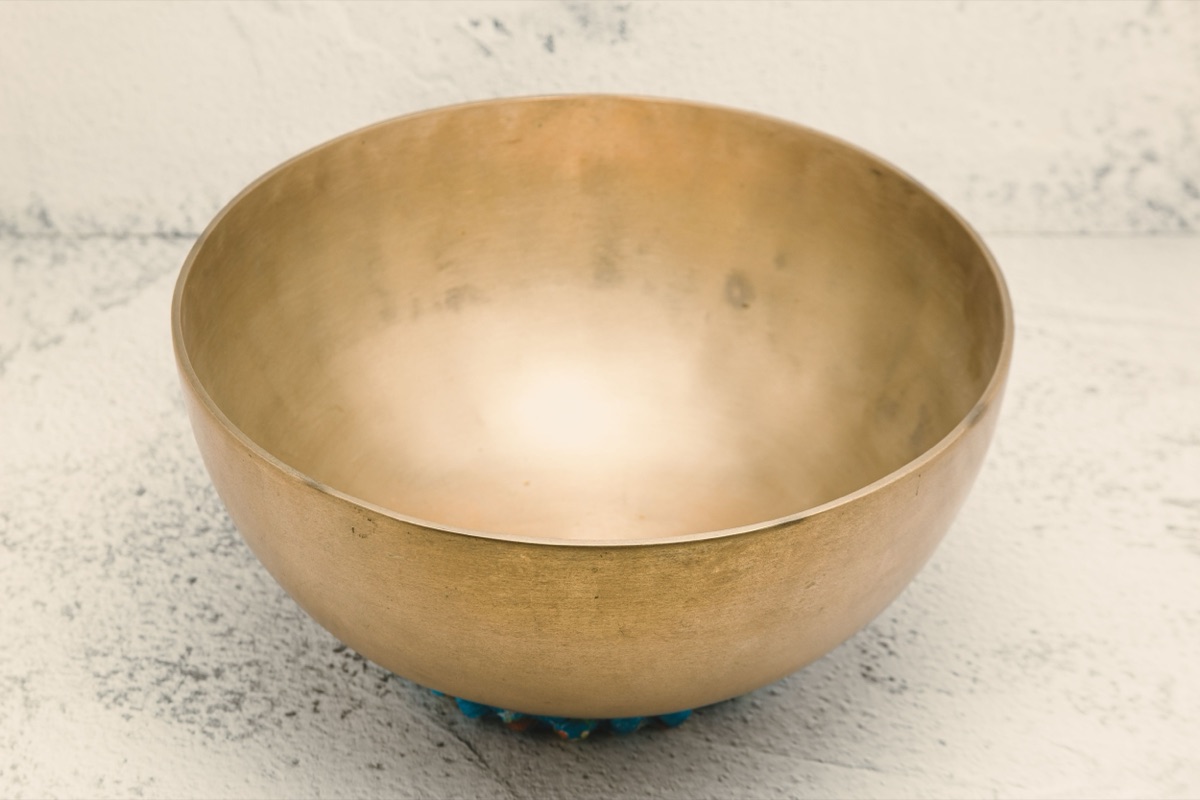
Many people who clear a space use sound to do it: a bell, a singing bowl, a drum, a chant. The simple version uses whatever is in the house. Walk the room clapping sharply into each corner and doorway, or ring a bell and let it fade out completely before you move on. Music you connect with a good day, played loud while you tidy, works too. Sound gives the reset a clear start, and the quiet afterwards gives it a clear finish.
Close with a cleansing ritual
Once the room has physically changed, mark it. You might burn a little dried sage or another herb as you walk the room (the post on how to smudge with sage covers doing that safely and respectfully), light a single candle, set a small bowl of salt or water by the door, or simply stand in the middle of the floor and say out loud what the space is for now.
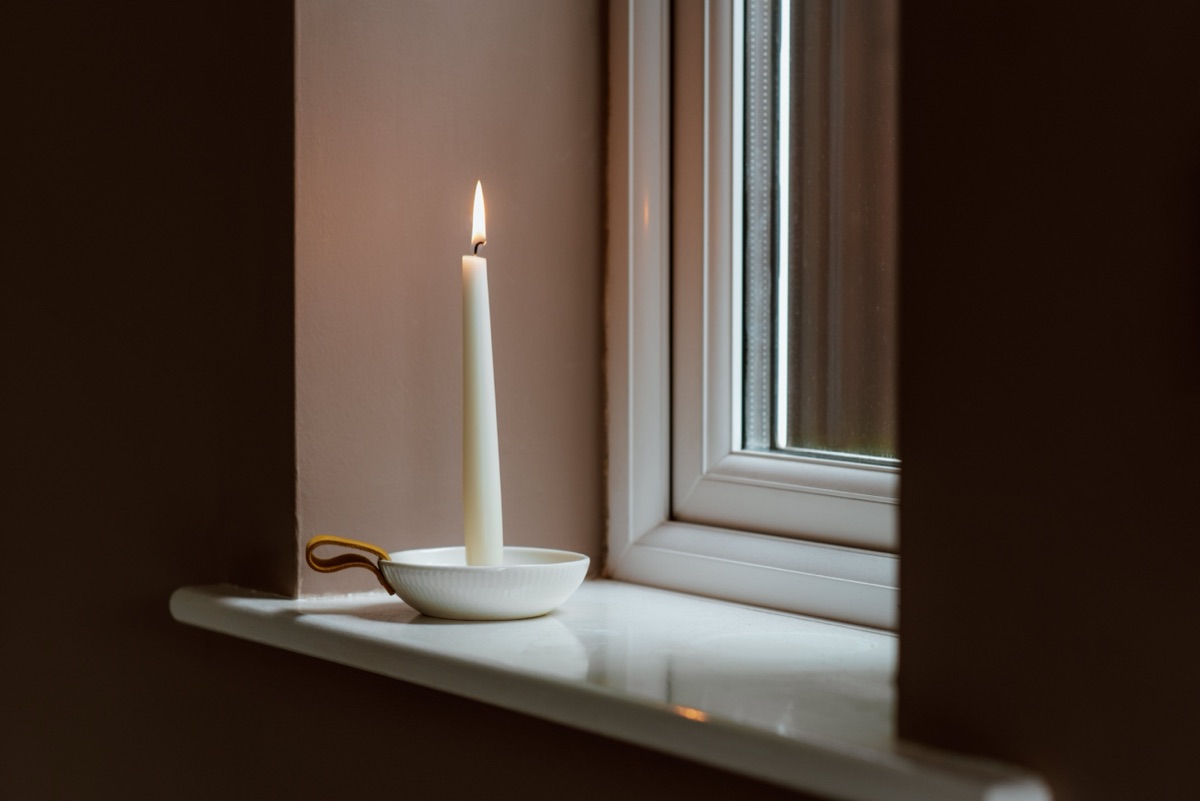
Which object you use matters much less than the moment itself. You are drawing a line. Before it, the argument or the long bad month. After it, whatever comes next. If you want the room to stay feeling settled, these ways to protect yourself from negative energies pick up where clearing leaves off.
How to clear negative energy from yourself
Sometimes the room is fine and the heaviness follows you from one room to the next. Then the reset has to start with you.
A slow-breathing reset
The quickest tool you carry is your breath. Sit down, rest one hand on your belly, and breathe in through your nose for a count of four. Breathe out through your nose for a count of six, or eight if that feels easy. No pause at the top or the bottom, and nothing forced. Keep that rhythm going for five minutes.
You will often read that the longer out-breath is what does the calming. The evidence for that is thinner than it sounds. A lab study of 30 people found they felt more relaxed breathing slowly with a long out-breath than with a long in-breath. But in a 12-week trial with 100 healthy adults, the group whose out-breath was longer did only slightly better on anxiety than the group breathing evenly, a gap too small to rule out chance, and because everyone in that trial practised, it cannot say how much of their improvement came from the breathing itself. So let the out-breath run long if that feels good, and keep the counts even if it does not. The breathwork for beginners guide has more techniques and a week-by-week plan for building one into a daily practice. If you feel light-headed at any point, stop and breathe normally.
A walk
Heavy moods tend to be still ones. Go outside and walk for twenty minutes with your phone in your pocket, somewhere with trees or open sky if you can get to it. Do not try to think the mood through. Pay attention to what is around you instead: the temperature, the sound of your steps, what the light is doing. You may come back to find the thing you were chewing on has shrunk to its actual size.

A shower as a threshold
When you get home from something hard, go to the shower before you sit down or pick up your phone. While the water runs, name what you are leaving behind, silently or out loud: the meeting, the phone call, the waiting room. Then put on different clothes.
The shower is not rinsing off an energy. It is a doorway you walk through on purpose, and having a clear point where the hard part of the day ends makes it easier to stop carrying it into the evening.
How to clear what other people leave behind
A lot of what gets called negative energy arrives through someone else. The friend who unloads for an hour and leaves you flat. The family visit that follows you home in the car. The phone call where you said the careful thing and they did not.
That kind of heaviness is usually unfinished business rather than contamination, so clearing it starts with being plain about what happened.
- Sort out whose is whose. In one sentence, name what was theirs and what was yours. "Her frustration about the job is hers. My part was listening."
- Write down what you did not say. Do not send it. Getting it onto paper takes it out of the loop in your head.
- Pick one boundary for next time, small enough that you will actually keep it: ending the call after half an hour, not answering work messages after dinner, meeting at a café instead of at your place.
- Do something physical afterwards. The walk, the shower, the open window. Your body is often the last part of you to hear that it is over.
If particular thoughts keep replaying long after the person has gone, how to redirect negative thoughts covers how to spot negative thinking as it starts and turn it around.
Why intention is what makes a ritual work
There are long lists of things to clear negative energy with: sage, palo santo, salt, bells, crystals, citrus peel, incense. People argue about which one is strongest. None of them carries the effect on its own. The crystals guide makes the same point about stones, that the object does its work through what you do with it rather than through what it is made of.
What makes a clearing mean something is the decision behind it. Before you open a window or light anything, finish this sentence: "I am clearing this room so that..." So that it feels like mine again after the breakup. So that the house is ready for my mother to stay. That sentence turns housework into a reset, and it gives you a way to tell afterwards whether anything shifted. It's All About Intention goes further into how the intention underneath an action shapes what comes of it.
It also means you do not need to buy anything.
When the heaviness keeps coming back
Clearing a room, or resetting yourself after a hard day, is an ordinary and healthy thing to do. But if the heavy feeling returns whatever you do to the space, take that seriously. If a low mood lasts more than two weeks, or starts getting in the way of your work, your sleep or the people close to you, talk to someone about it rather than cleansing the house again.
That can be your doctor, a counsellor or therapist, or someone you trust who will help you find one. If you ever feel unsafe, or think about harming yourself, contact your local emergency number or a crisis line straight away. A ritual can mark a new start. It cannot do the work of real support, and you do not have to wait until things are bad to ask for it.